Selected research projects
Here are some selected research projects with additional information such as videos or data. Please use the filters on the left to narrow down the number of results. Please see Publications for all the papers co-authored by lab members.
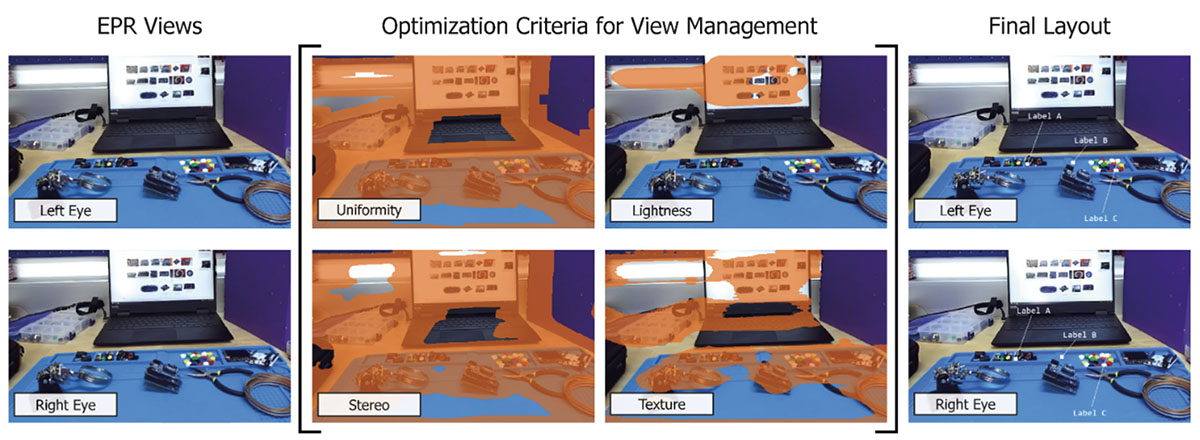 Gerlinde Emsenhuber, Tobias Langlotz, Denis Kalkofen, Jonathan Sutton, Markus Tatzgern (2023) Eye-Perspective View Management for Optical See-Through Head-Mounted Displays ACM Conference on Human Factors in Computing Systems (ACM CHI), 2023
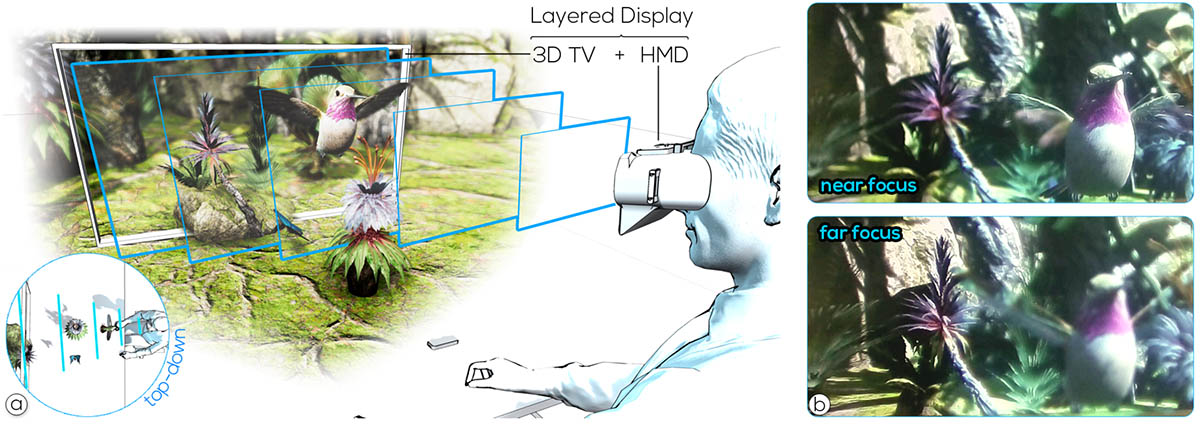 Christoph Ebner, Peter Mohr, Tobias Langlotz, Yifan Peng, Dieter Schmalstieg, Gordon Wetzstein, Denis Kalkofen (2023) Off-Axis Layered Displays: Hybrid Direct-View/Near-Eye Mixed Reality with Focus Cues (2023) IEEE Transactions on Visualisation and Computer Graphics (Special issue of IEEE Virtual Reality 2023), 2023
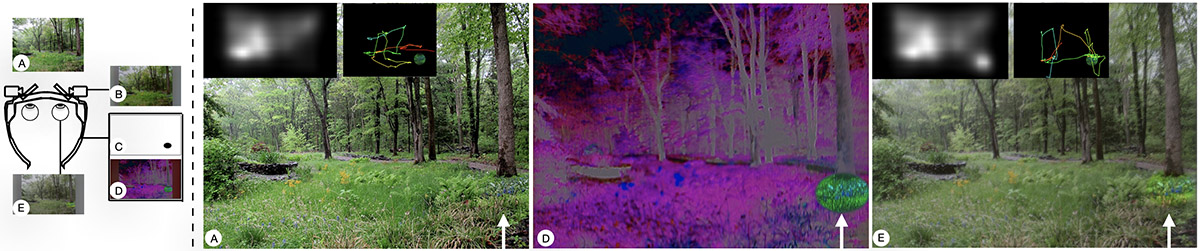 Jonathan Sutton, Tobias Langlotz, Alexander Plopski, Stefanie Zollmann. Yuta Itoh, and Holger Regenbrecht (2022) Look over there! Investigating Saliency Modulation for Visual Guidance with Augmented Reality Glasses 2022 ACM Symposium on User Interface Software and Technology (ACM UIST), 2022
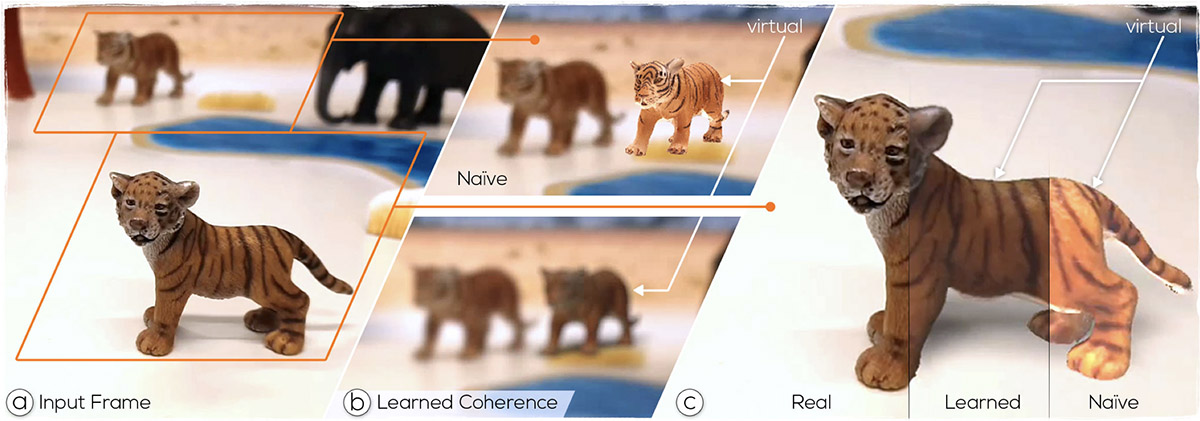 David Mandl, Peter Mohr, Tobias Langlotz, Christoph Ebner, Shohei Mori, Stefanie Zollmann, Peter Roth, Denis Kalkofen (2021) Neural Cameras: Learning Camera Characteristics for Coherent Mixed Reality Rendering IEEE International Symposium on Mixed and Augmented Reality (IEEE ISMAR), 2021
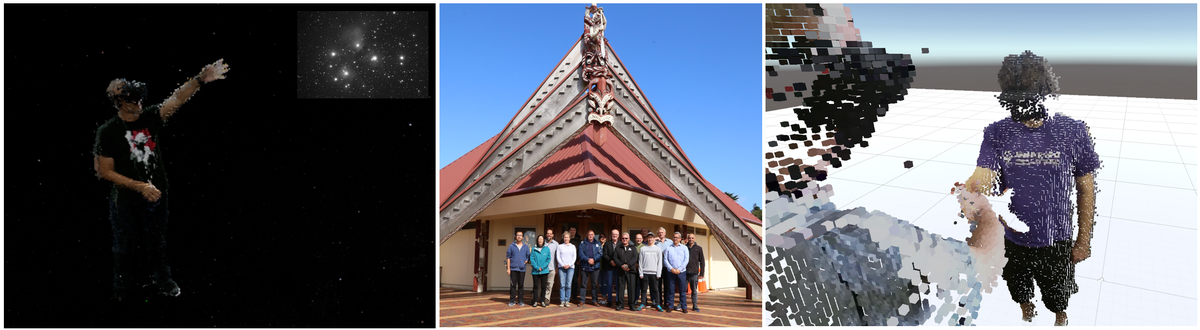 Otago: Holger Regenbrecht (work package contact), Noel Park Steve Mills, Stu Duncan, Rosa Lutz, Laurie Lloyd-Jones, Bluff: Bubba and Gail Thompson, Dean Whaanga, Canterbury: Rob Lindeman, Kris Tong, Rory Clifford Waikato: Hēmi Whaanga, Paora Mato, Nadia Jones Ātea Presence - Being virtually there at Te Rau Aroha Marae National Science Challenge Science for Technological Innovation, Ātea spearhead project, 2020.
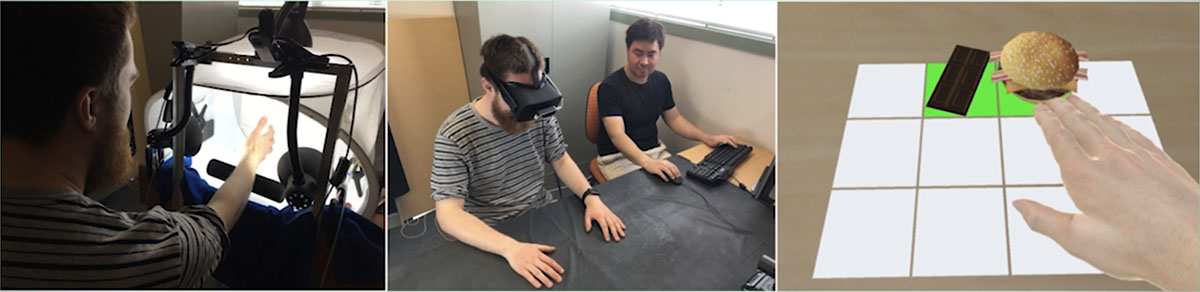 Chris Heinrich, Matthew Cook, Tobias Langlotz, Holger Regenbrecht (2020) My Hands? - Importance of Personalised Virtual Hands in a Neurorehabilitation Scenario Springer Virtual Reality, 2020.
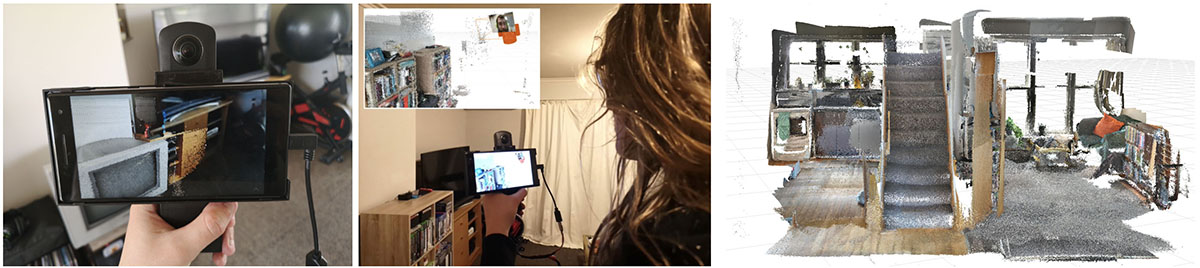 Jacob Young, Tobias Langlotz, Steven Mills, Holger Regenbrecht (2020) Mobileportation: Nomadic Telepresence for Mobile Devices Proceedings of the ACM on Interactive, Mobile, Wearable and Ubiquitous Technologies / ACM International Joint Conference on Pervasive and Ubiquitous Computing, 2020..
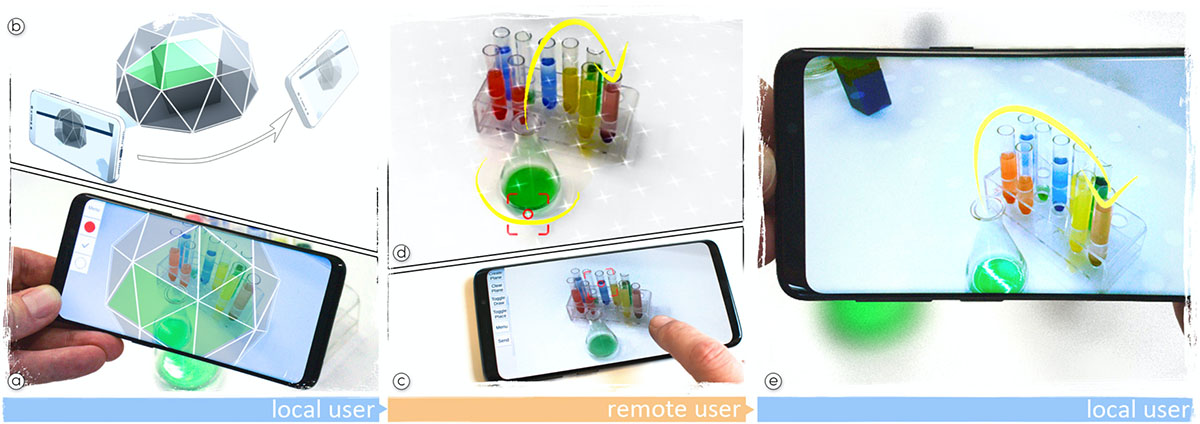 Peter Mohr, Shohei Mori, Tobias Langlotz, Bruce Thomas, Dieter Schmalstieg, Denis Kalkofen (2020) Mixed Reality Light Fields for Interactive Remote Assistance ACM CHI'20 Conference on Human Factors in Computing Systems (ACM CHI 2020), Honolulu, 2020.
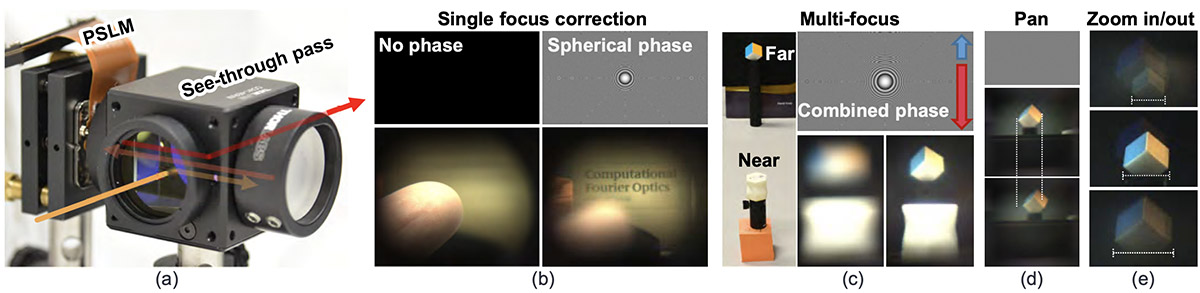 Yuta Itoh, Tobias Langlotz, Stefanie Zollmann, Daisuke Iwai, Kiyoshi Kiyokawa, Toshiyuki Amano (2019) Computational Phase-Modulated Eyeglasses IEEE Transactions on Visualisation and Computer Graphics, 2019.
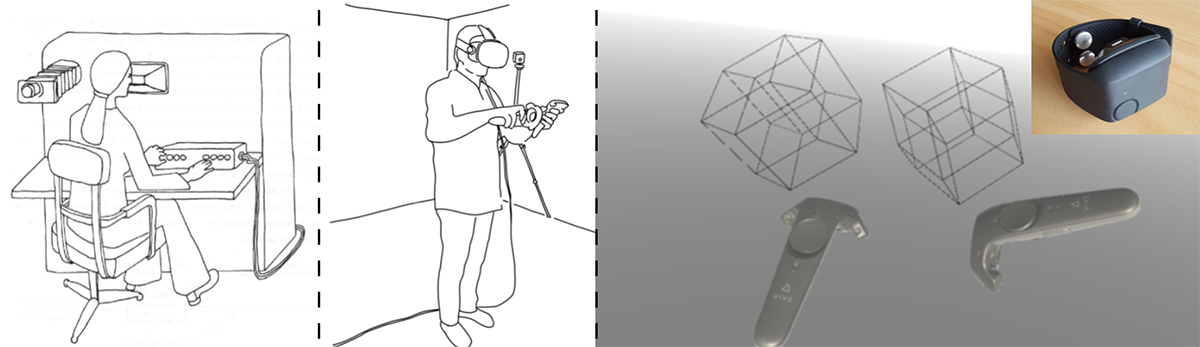 Jonny Collins, Holger Regenbrecht, Tobias Langlotz, Yekta Said Can, Cem Ersoy, Russell Butson (2019) Measuring Cognitive Load and Insight: A Methodology Exemplified in a Virtual Reality Learning Context IEEE International Symposium on Mixed and Augmented Reality (IEEE ISMAR 2019), Beijing, 2019.
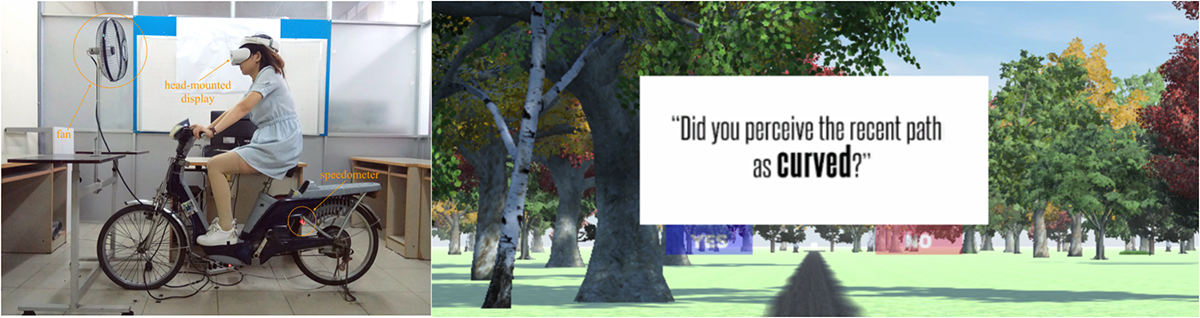 Tanh Quang Tran, Holger Regenbrecht, Minh-Triet Tran (2019) Am I Moving Along A Curve? A Study On Bicycle Traveling-In-Place Techniques In Virtual Environments 17th IFIP TC. 13 International Conference on Human-Computer Interaction (INTERACT2019), 2019
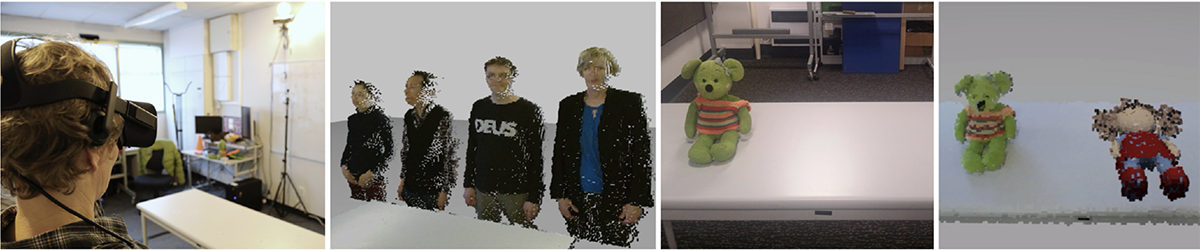 Holger Regenbrecht, Noel Park, Claudia Ott, Steven Mills, Matthew Cook, Tobias Langlotz (2019) Preaching Voxels: An Alternative Approach to Mixed Reality Frontiers in ICT, section Virtual Environments, 2019.
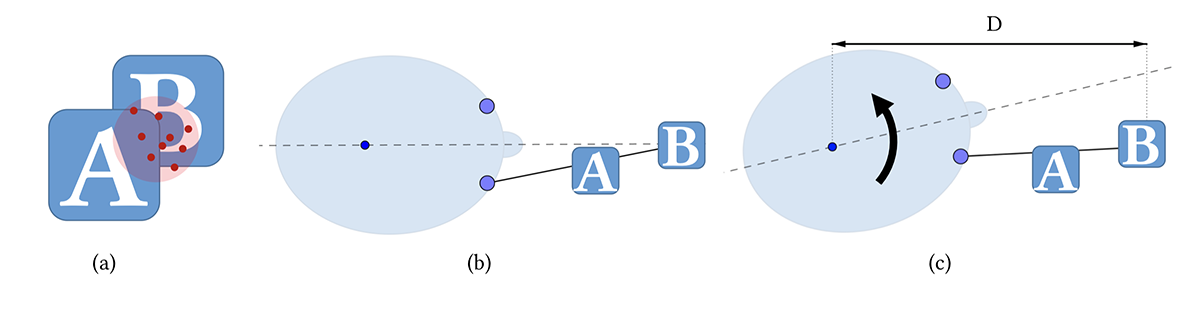 Diako Mardanbegi, Tobias Langlotz, Hans Gellersen (2019) Resolving Target Ambiguity in 3D Gaze Interaction through VOR Depth Estimation ACM CHI'19 Conference on Human Factors in Computing Systems (ACM CHI 2019), Glasgow, 2019.
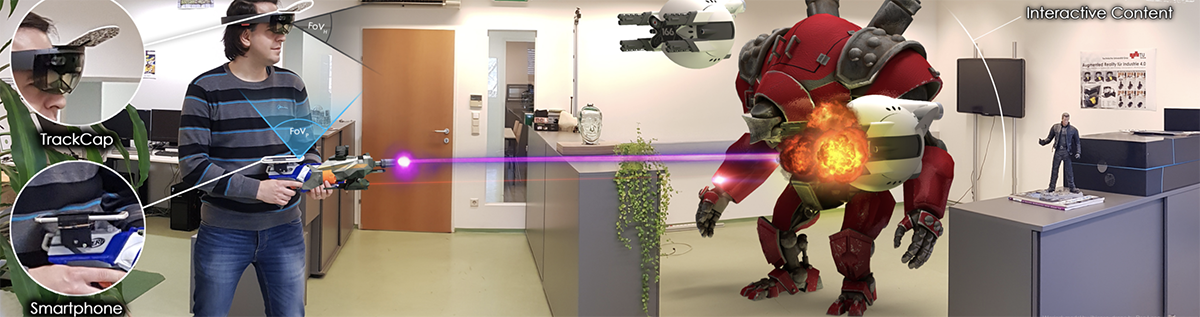 Peter Mohr, Markus Tatzgern, Tobias Langlotz, Andreas Lang, Denis Kalkofen, and Dieter Schmalstieg (2019) TrackCap: Enabling Smartphones for 3D Interaction on Mobile Head-Mounted Displays ACM CHI'19 Conference on Human Factors in Computing Systems (ACM CHI 2019), Glasgow, 2019.
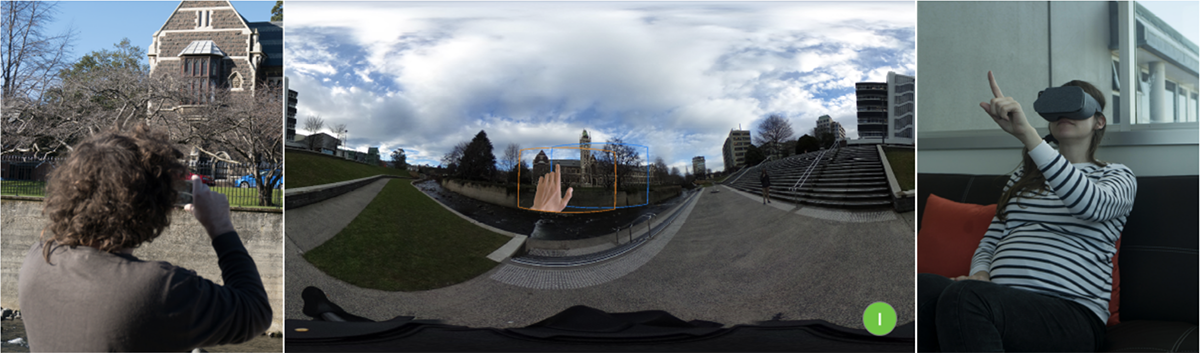 Jacob Young, Tobias Langlotz, Matthew Cook, Steven Mills, Holger Regenbrecht (2019) Immersive Telepresence and Remote Collaboration using Mobile and Wearable Devices IEEE Transactions on Visualisation and Computer Graphics (Special Issue on IEEE Virtual Reality), 2019. Best Journal Paper Nomination
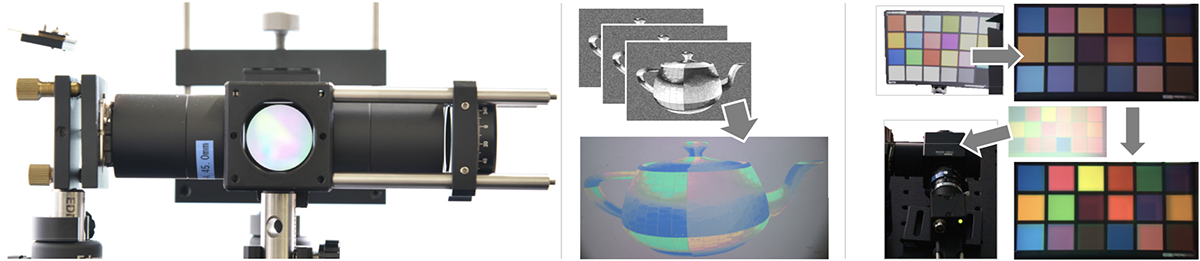 Yuta Itoh, Tobias Langlotz, Daisuke Iwai, Kiyoshi Kiyokawa, Toshiyuki Amano (2019) Light Attenuation Display: Subtractive See-Through Near-Eye Display via Spatial Color Filtering IEEE Transactions on Visualisation and Computer Graphics (Special Issue on IEEE Virtual Reality), 2019. Best Journal Paper Nomination
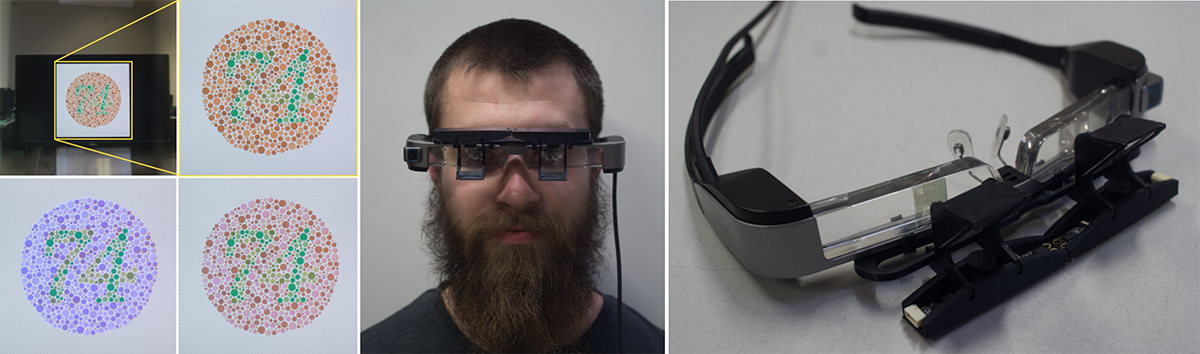 Tobias Langlotz, Jonathan Sutton, Stefanie Zollmann, Yuta Itoh, and Holger Regenbrecht (2018) ChromaGlasses: Computational Glasses for Compensating Colour Blindness Conditionally accepted for ACM CHI Conference on Human Factors in Computing Systemts (ACM CHI 2018), Montreal, 2018, Honourable Mention Award
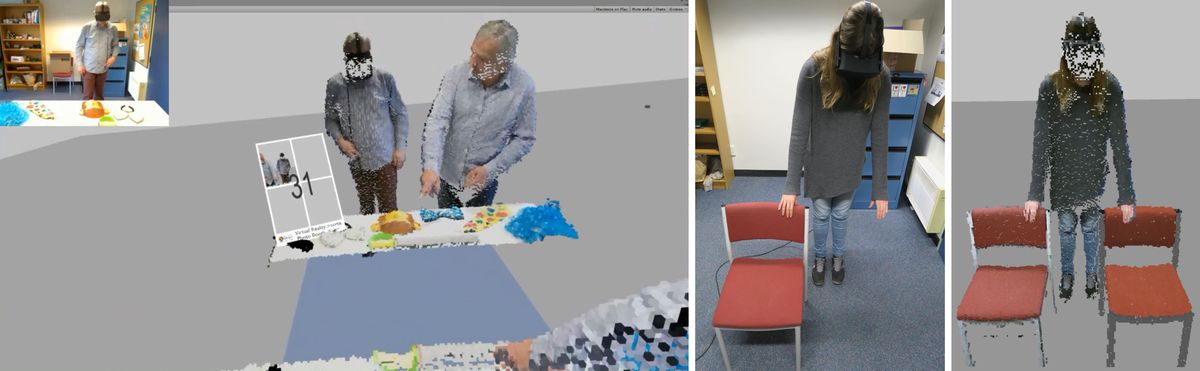 Holger Regenbrecht, Arne Reepen, Katrin Meng, Stephan Beck, and Tobias Langlotz (2017) Mixed Voxel Reality: Presence and Embodiment in Low Fidelity, Visually Coherent, Mixed Reality Environments Accepted for IEEE International Symposium on Mixed and Augmented Reality (IEEE ISMAR) 2017
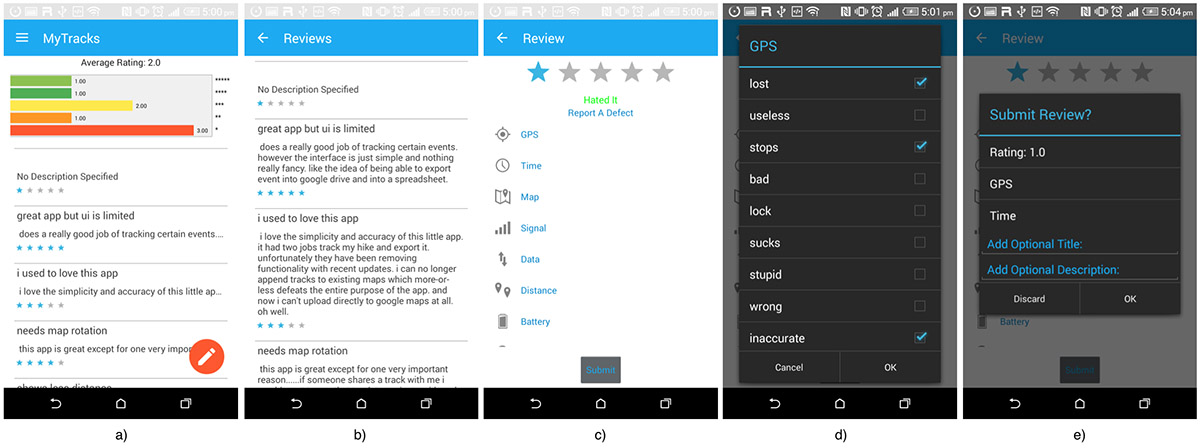 Tavita Su’a, Sherlock A. Licorish, Bastin Tony Roy Savarimuthu, Tobias Langlotz (2017) QuickReview: A Data-Driven Mobile Interface for Providing App Reviews Accepted for ACM Intelligent User Interfaces 2017 (ACM IUI 2017)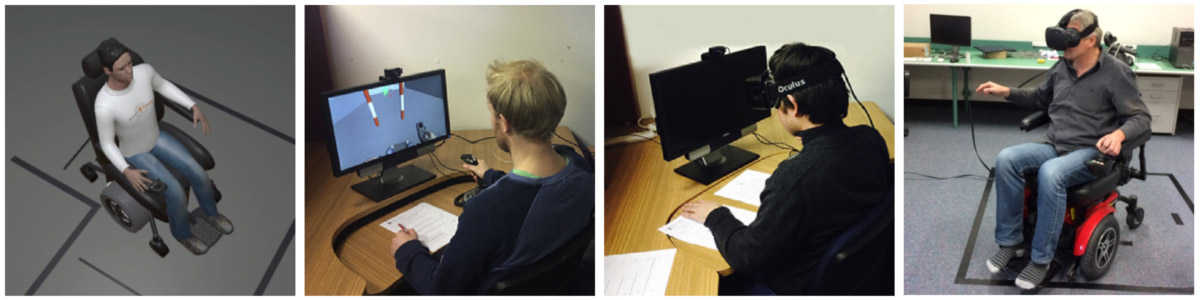
Abdul Alshaer, Holger Regenbrecht, David O'Hare (2017) Immersion factors affecting perception and behaviour in a virtual reality power wheelchair simulator Applied Ergonomics: Human Factors in Technology and Society, Applied Ergonomics 58 (January 2017), 1-12.
Abdul Alshaer, David O'Hare, Simon Hoermann, Holger Regenbrecht (2016) The impact of the visual representation of the input device on driving performance in a power wheelchair simulator. Accepted for publication the proceedings of the 11th Intl Conf. Disability, Virtual Reality & Associated Technologies Los Angeles, California, USA, 2016.
Abdul Alshaer, Holger Regenbrecht, David O'Hare (2015) Investigating Visual Dominance with a Virtual Driving Task Proceedings of IEEE Virtual Reality, Arles, 145-146.
Alshaer, A., Hoermann, S. & Regenbrecht, H. (2013) Influence of peripheral and stereoscopic vision on driving performance in a power wheelchair simulator system. Proceedings of ICVR, International Conference on Virtual Rehabilitation, August 26-29 2013, Philadelphia, USA.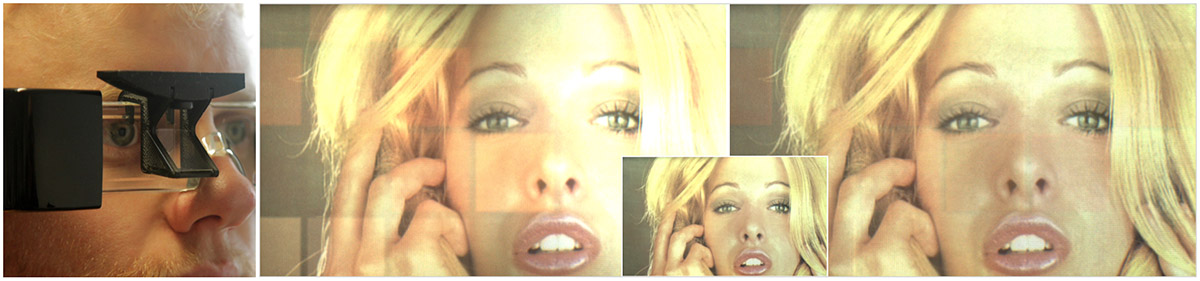 Tobias Langlotz, Matthew Cook, Holger Regenbrecht (2016) Real-Time Radiometric Compensation for Optical See-Through Head-Mounted Displays IEEE Transactions on Visualisation and Computer Graphics (Special issue capturing best papers of the International Symposium on Mixed and Augmented Reality/ISMAR), 2016.
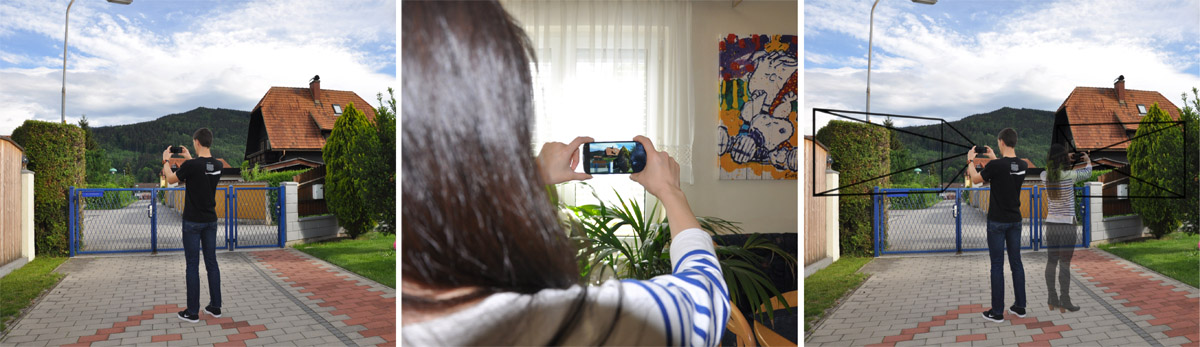 Jörg Müller, Tobias Langlotz, Holger Regenbrecht (2016) PanoVC: Pervasive Telepresence using Mobile Phones. In Proceedings of IEEE Pervasive Computing and Communications (IEEE PerCom), 2016.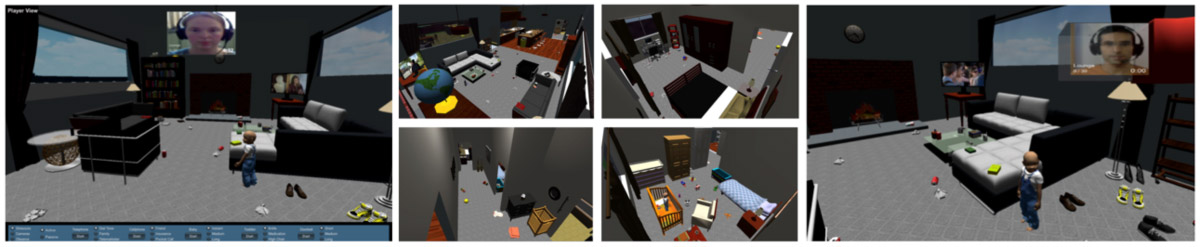
Mohammed Alghamdi, Holger Regenbrecht, Simon Hoermann, and Nicola Swain (2017) Mild Stress Stimuli built into a Non-Immersive Virtual Environment can elicit actual Stress Responses Behaviour & Information Technology. London/UK: Taylor & Francis
Mohammed Alghamdi, Holger Regenbrecht, Simon Hoermann, Tobias Langlotz, Colin Aldridge (2016) Social Presence and Mode of Videocommunication in a Collaborative Virtual Environment Proceedings of the 20th Pacific Asia Conference on Information Systems (PACIS 2016), 2016. Jens Grubert, Tobias Langlotz, Stefanie Zollmann, Holger Regenbrecht (2016) Towards Pervasive Augmented Reality: Context-Awareness in Augmented Reality IEEE Transactions on Visualization and Computer Graphics (IEEE TVCG).
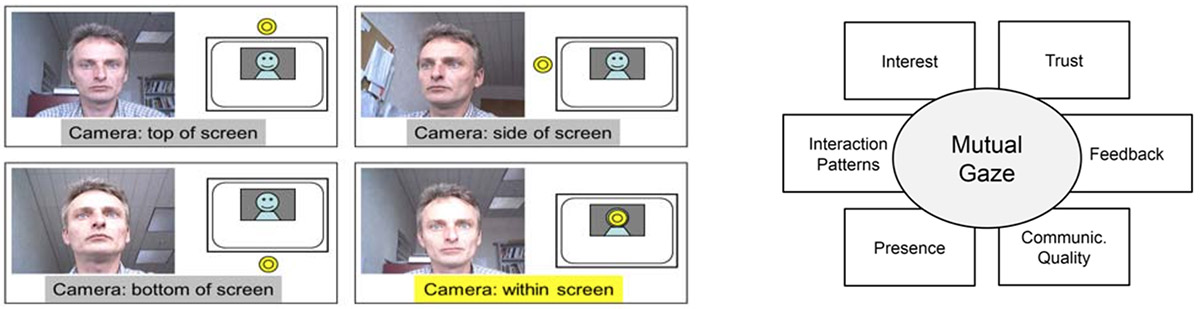 Holger Regenbrecht, Tobias Langlotz (2015) Mutual Gaze Support in Videoconferencing Reviewed.Communications of the Association for Information Systems.
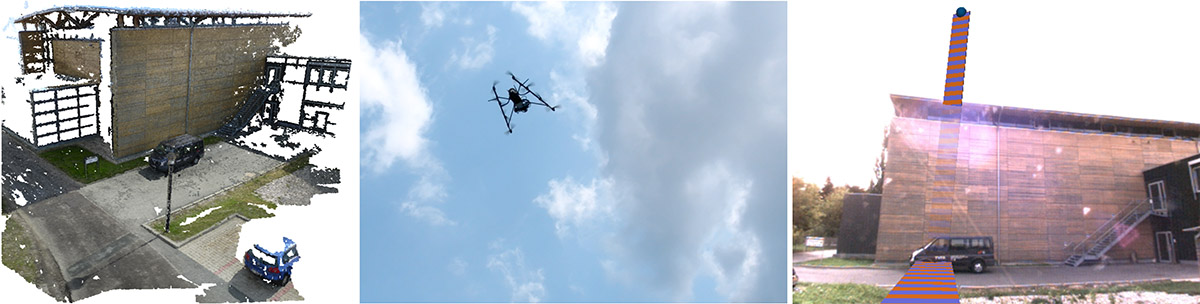 Stefanie Zollmann, Christof Hoppe, Tobias Langlotz, Gerhard Reitmayr (2014) Flyar: Augmented Reality Supported Micro Aerial Vehicle Navigation,IEEE Transactions on Visualization and Computer Graphics (TVCG), March 2014.
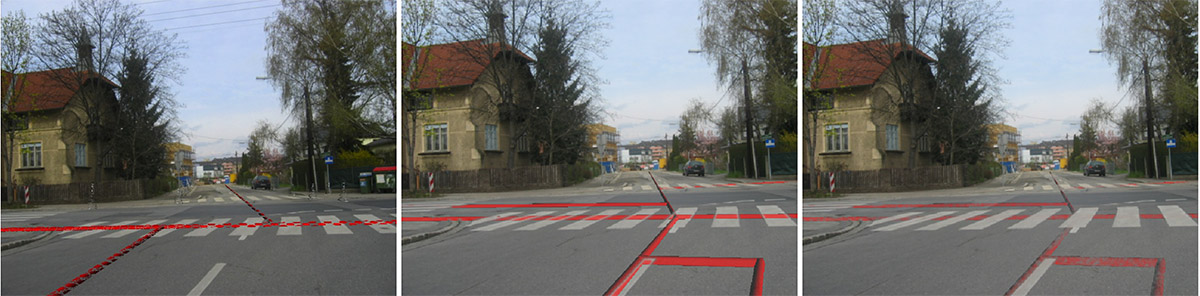 Stefanie Zollmann, Raphael Grasset, Gerhard Reimayr, and Tobias Langlotz (2014) The effect of image-based X-Ray visualisation techniques on spatial order understanding in Augmented Reality, Proceedings of ACM OzCHI, Sydney, Australia.
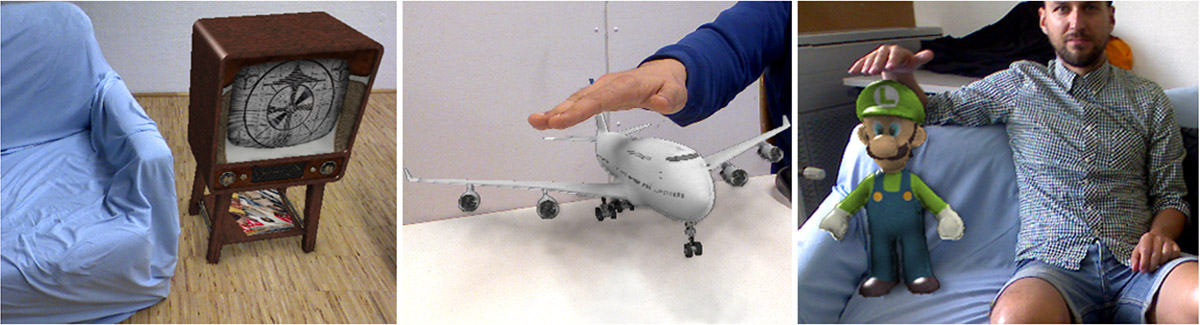 Lukas Gruber, Tobias Langlotz, Pradeep Sen, Tobias Hollerer, and Dieter Schmalstieg (2014) Efficient and Robust Radiance Transfer for Probeless Photorealistic Augmented Reality Proceedings of IEEE Virtual Reality 2014, Minnesota, MN, USA, March 2014.
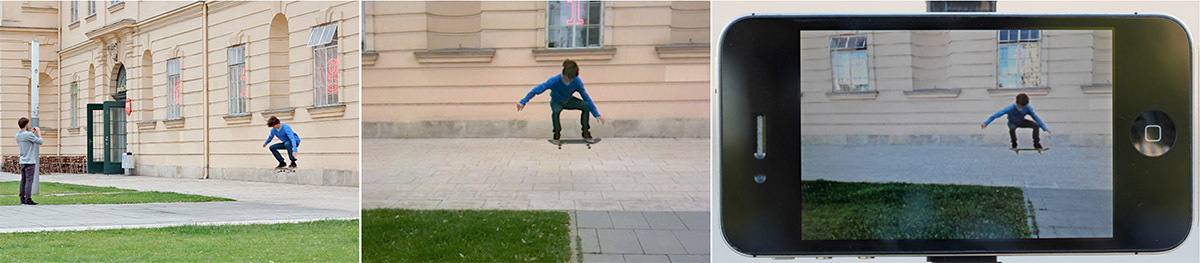 Tobias Langlotz, Mathäus Zingerle, Raphael Grasset, Hannes Kaufman, Gerhard Reitmayr (2012) AR Record&Replay:Situated Compositing of Video Content in Mobile Augmented Reality, Proceedings of the 24th Australian Computer-Human Interaction Conference (OzCHI) Pages 318-326, 2012.
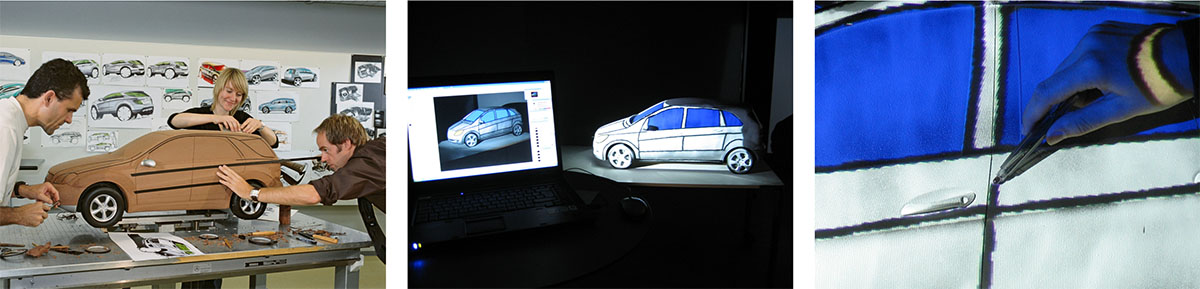 Stefanie Zollmann, Langlotz Tobias (2009) Spatially Augmented Tape Drawing, Proceedings of IEEE Symposium on 3D User Interfaces 2009 (3DUI), 2009